Programs & Community Action
Explore MAAC AID's documented programme areas — empowering pastoralist communities, protecting rights and wildlife, advancing education and enterprise, and building climate resilience across Kenya.
1. Pastoralist Empowerment & Livelihoods
Building drought-resilient pastoral economies through sustainable rangeland management, veterinary capacity building, and market access for livestock producers.
Core Program Objectives:
- Improve livestock health and pasture management through traditional & modern techniques.
- Establish community fodder banks and water conservation access for dry seasons.
- Facilitate livestock marketing groups to secure fair pricing for pastoralists.
Grassroots Activities & Interventions:
- Community rangeland mapping & rotational grazing workshops.
- Livestock disease vaccination awareness & training local community health workers.
- Facilitating pastoralist producer groups in Narok and Kajiado.
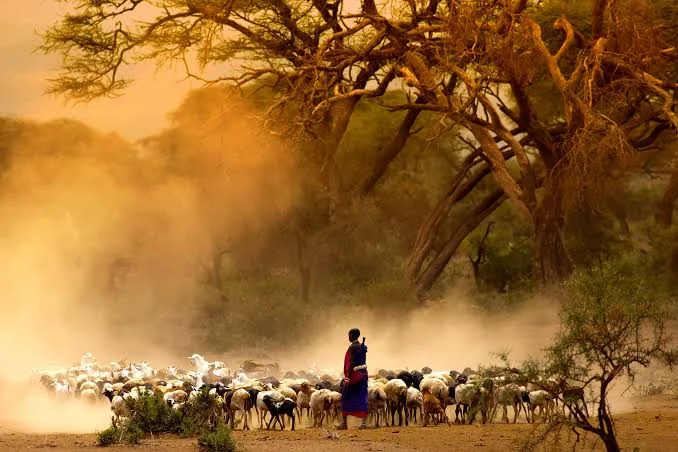
2. Women & Youth Empowerment
Equipping women and youth with financial literacy, beadwork co-operative marketing, leadership skills, and small business management tools.
Core Program Objectives:
- Advance female financial independence through Village Savings and Loan Associations (VSLA).
- Support youth-led micro-enterprise and vocational pathways.
- Grow women's representation in community decision-making forums.
Grassroots Activities & Interventions:
- Savings group formation and treasurer training.
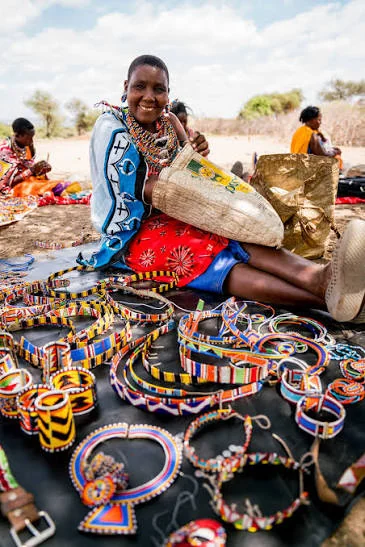
- Beadwork and artisan collective market linkage support.
- Leadership mentorship circles for young women.
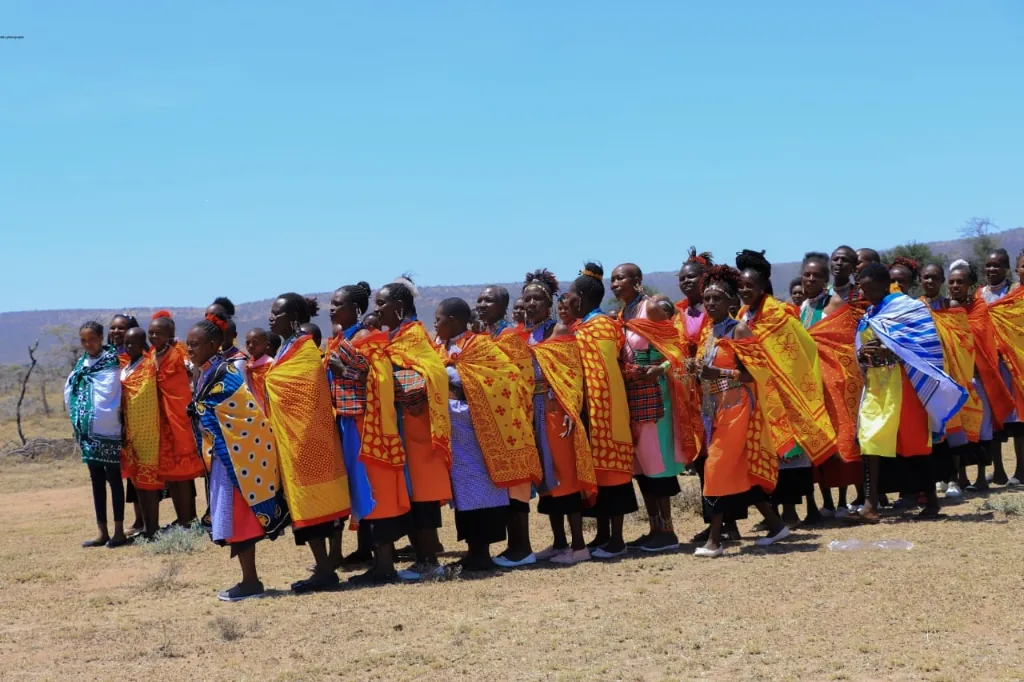
3. Education & Life Skills
Supporting school enrolment and retention, mentorship for girls and boys, adult literacy, digital awareness, and practical life skills.
Core Program Objectives:
- Increase school retention, particularly for girls at risk of dropping out.
- Deliver adult literacy and numeracy for livestock keepers and traders.
- Build digital and life-skills confidence among rural learners.
Grassroots Activities & Interventions:
- School mentorship days and bursary navigation support.
- Adult literacy circles hosted at community centres.
- Life-skills and digital awareness sessions for upper primary pupils.
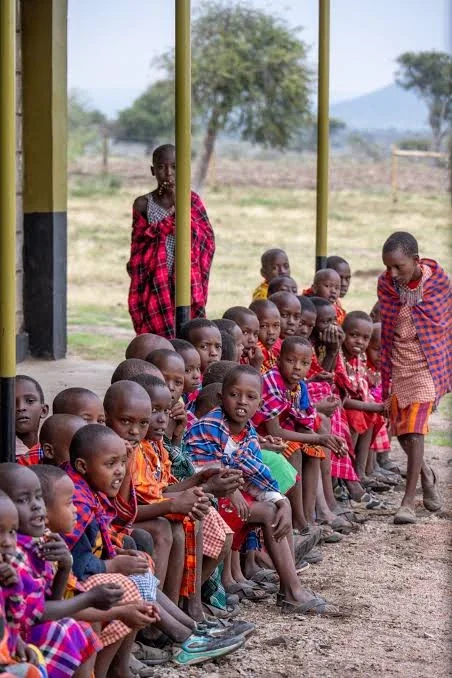
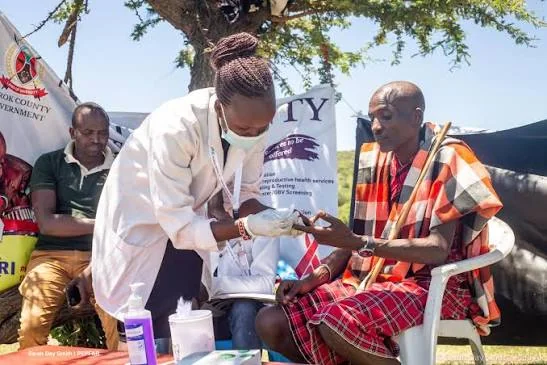
4. Health Awareness & HIV/AIDS Prevention
Promoting reproductive health education, HIV/AIDS stigma reduction, maternal care awareness, and community wellness outreach.
Core Program Objectives:
- Reduce HIV/AIDS stigma through open, culturally grounded dialogue.
- Improve maternal and child health-seeking behaviour in remote settlements.
- Strengthen the reach of community health volunteers.
Grassroots Activities & Interventions:
- Village health dialogues convened with county health officers.
- Voluntary testing and counselling awareness drives.
- Training and refresher support for community health volunteers.
5. Drug & Substance Abuse Prevention
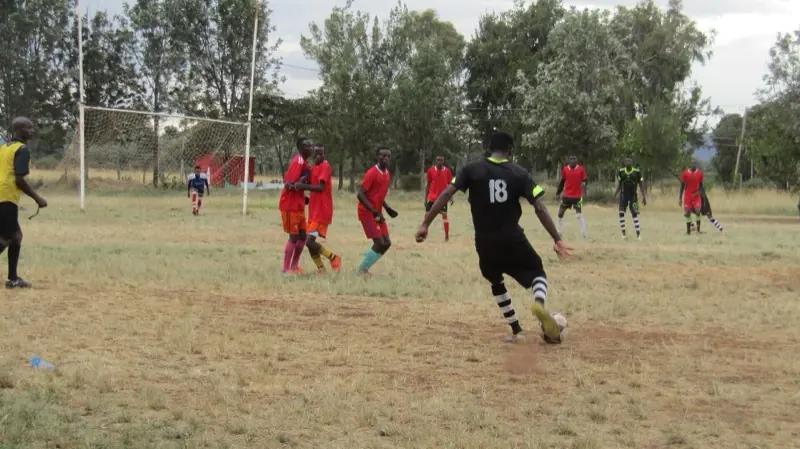
Youth outreach, peer support networks, rehabilitation guidance, and community advocacy against drug and substance abuse.
Core Program Objectives:
- Give young people positive alternatives to substance use.
- Equip peer educators to support those seeking to stop.
- Engage parents and elders in prevention conversations.
Grassroots Activities & Interventions:
- Sports tournaments paired with peer mentoring sessions.
- Peer-educator training and referral pathway mapping.
- Community barazas on substance abuse and family support.
6. Human Rights & Advocacy
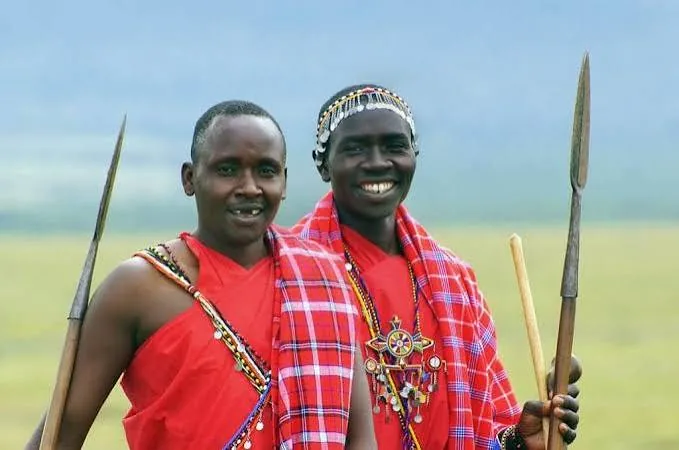
Protecting indigenous land rights, ending harmful practices such as FGM and early marriage, and promoting gender equity through constitutional avenues.
Core Program Objectives:
- Raise constitutional and land-rights literacy at community level.
- Support girls at risk of FGM and early marriage.
- Advance gender equity in local governance structures.
Grassroots Activities & Interventions:
- Community legal literacy forums in partnership with paralegals.
- Rescue and scholarship support network for girls escaping early marriage.
- Dialogue sessions with traditional chiefs and cultural elders.
7. Environment, Climate & Green Innovation
Combating desertification, promoting clean energy adoption, and building climate resilience across semi-arid grazing land.
Core Program Objectives:
- Restore degraded grazing lands through soil bunding and reseeding.
- Promote solar lighting and clean cookstoves to reduce deforestation.
- Incorporate indigenous climate knowledge into county climate plans.
Grassroots Activities & Interventions:
- Gulley erosion control and pasture reseeding community work days.
- Clean energy demonstration workshops for rural homesteads.
- County climate action plan participation and submissions.
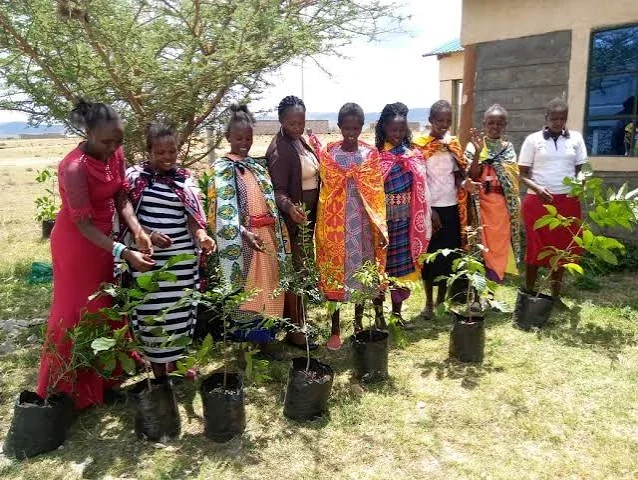
8. Environmental Conservation
Protecting the rangelands, water catchments, soils and indigenous biodiversity that pastoralist livelihoods depend on, led by the communities who manage that land.
Core Program Objectives:
- Conserve water catchments, springs and riverine corridors across community land.
- Halt soil loss and land degradation on grazing blocks and sloping farmland.
- Safeguard indigenous tree species and the habitats that sustain them.
Grassroots Activities & Interventions:
- Community-led catchment protection and spring rehabilitation work days.
- Soil bunding, terracing and grass-strip establishment on degraded ground.
- Participatory conservation planning with grazing committees and elders.
9. Wildlife & Eco-Lodges
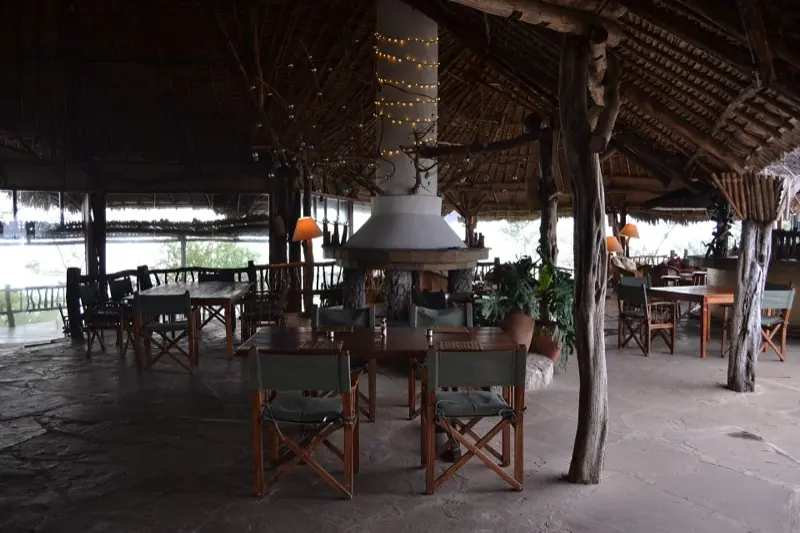
Helping communities earn a fair, lasting income from the wildlife on their land through community conservancies, eco-lodges and locally owned tourism enterprise.
Core Program Objectives:
- Build community capacity to own and run eco-tourism ventures.
- Ensure conservancy and lodge revenue reaches member households transparently.
- Link conservation outcomes to tangible household benefit.
Grassroots Activities & Interventions:
- Conservancy governance and revenue-sharing training.
- Hospitality, guiding and cultural-tourism skills development for youth.
- Support for community campsite and eco-lodge business planning.
10. Human–Wildlife Conflict Mitigation
Reducing the losses families suffer from crop raiding and livestock predation, and supporting peaceful coexistence between communities and wildlife.
Core Program Objectives:
- Cut livestock losses to predators and crop losses to raiding wildlife.
- Improve awareness of compensation and reporting channels.
- Replace retaliatory killing with practical, proven deterrents.
Grassroots Activities & Interventions:
- Predator-proof boma reinforcement and deterrent demonstrations.
- Early-warning and incident-reporting support with rangers and county officers.
- Community forums on compensation claims and coexistence practice.

11. Alternative Dispute Resolution & Mediation
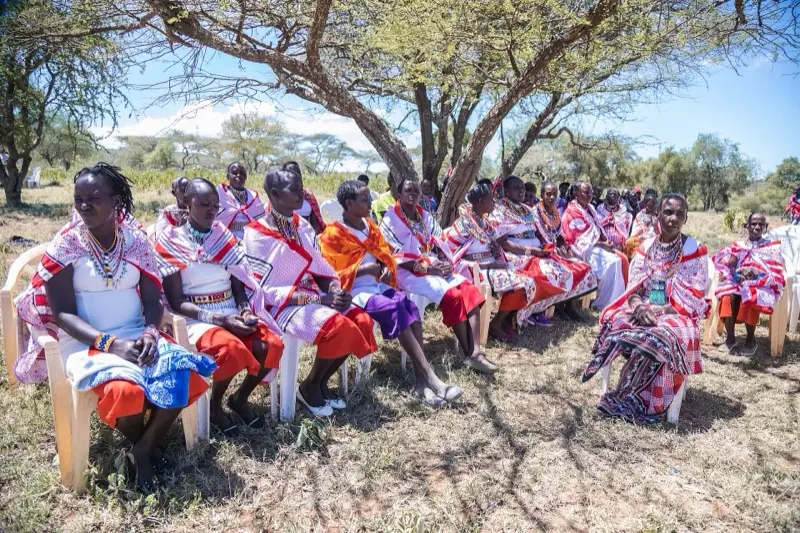
Resolving grazing, boundary, water and family disputes through structured mediation that joins customary authority with constitutional rights.
Core Program Objectives:
- Settle resource and boundary disputes without violence or costly litigation.
- Train accredited community mediators, including women and youth.
- Align customary dispute resolution with constitutional rights standards.
Grassroots Activities & Interventions:
- Mediation skills training for elders, women leaders and youth representatives.
- Facilitated dialogue sessions on grazing, water and boundary disputes.
- Referral links between community mediators, chiefs and the courts.
12. Value Addition & Cottage Industries
Moving households up the food chain — processing, preserving, packaging and branding milk, meat, honey and produce so value stays in the community.
Core Program Objectives:
- Raise household income by processing produce rather than selling it raw.
- Establish small cottage processing units owned by community groups.
- Meet hygiene, quality and certification standards for formal markets.
Grassroots Activities & Interventions:
- Milk, meat, honey and hide value-addition training for producer groups.
- Cottage processing unit set-up, costing and business planning.
- Packaging, branding and market linkage support for finished products.
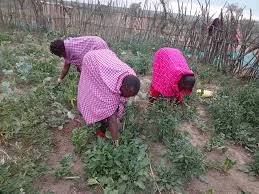
13. Demonstration Farms
Working farm plots where households see drought-tolerant crops, fodder production and improved techniques proven on local soil before adopting them at home.
Core Program Objectives:
- Prove drought-tolerant crop and fodder varieties under local conditions.
- Give farmers hands-on practice rather than classroom theory alone.
- Raise adoption of improved techniques across surrounding households.
Grassroots Activities & Interventions:
- Establishment and upkeep of community demonstration plots.
- Farmer field school sessions and seasonal field days.
- Fodder production, conservation and storage demonstrations.
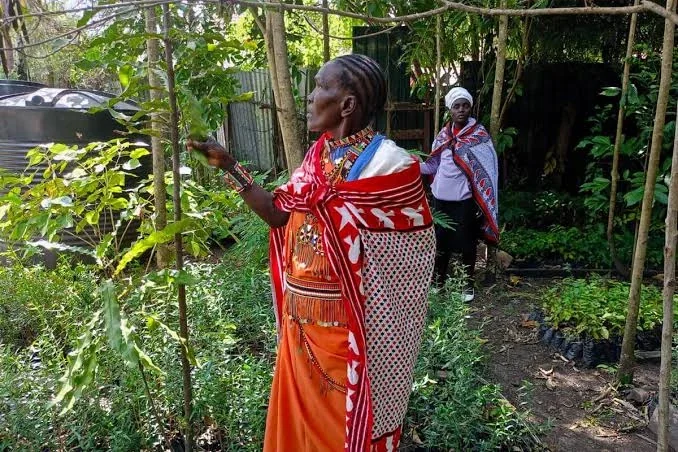
14. Nursery Trees Management
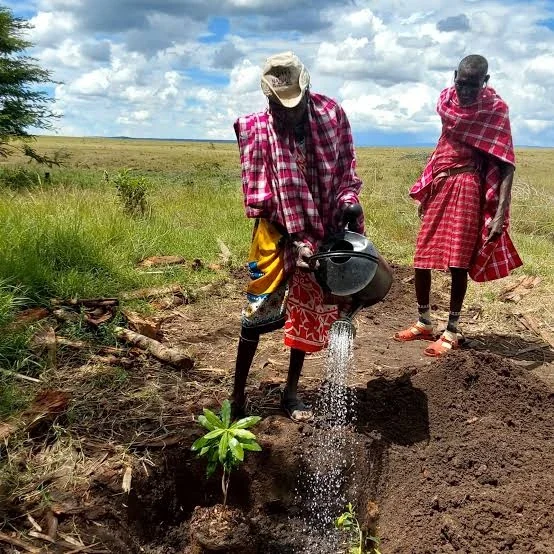
Community and school tree nurseries that raise indigenous and agroforestry seedlings, managed locally so planting campaigns have a dependable supply.
Core Program Objectives:
- Produce quality indigenous and agroforestry seedlings close to where they are planted.
- Build local skill in propagation, potting, watering and seedling care.
- Improve seedling survival rates after transplanting.
Grassroots Activities & Interventions:
- School and village tree nursery establishment in Kajiado and Samburu.
- Seed collection, propagation and nursery management training.
- Transplanting campaigns with follow-up survival monitoring.
15. Mentorship Programs
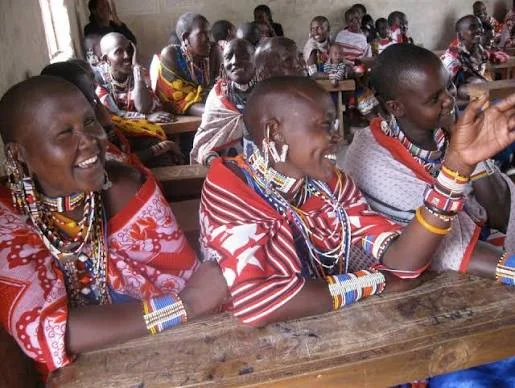
Structured mentorship pairing young people with local professionals, artisans and community role models who guide them into work, enterprise and leadership.
Core Program Objectives:
- Connect young people with role models from their own communities.
- Support the transition from school into work, enterprise or further training.
- Grow a local pipeline of youth and women leaders.
Grassroots Activities & Interventions:
- Mentor matching and structured mentorship cycles.
- Career, enterprise and apprenticeship guidance forums.
- Mentor training so guidance is consistent and safeguarded.
Interested in supporting our grassroots initiatives?
Contact our program coordinator or explore partner engagement opportunities.